
Equality is a dangerous word to use casually, because it flatters everyone. It sounds progressive. It sounds moral. It sounds like something no reasonable person could oppose. But scratch beneath the surface of many conversations about equality especially among women and a more uncomfortable truth emerges. Not all women are actually fighting for equality. Many are fighting for approval. And the two are not the same thing.
Equality demands friction. Approval demands compliance. Equality costs comfort. Approval trades self-respect for acceptance. And when you look closely, a large portion of what is presented as “feminism,” “modern womanhood,” or even “choice” is actually a sophisticated performance designed to stay liked, safe, and validated especially by men, institutions, and power structures that have never truly intended to share power.
This is not a popular argument, and that is precisely why it needs to be made.
Approval Is Safer Than Equality
Equality destabilises hierarchies. Approval preserves them.
Equality means being willing to be disliked, dismissed, labelled difficult, or excluded. Approval, on the other hand, is rewarded. It comes with social praise, romantic desirability, workplace acceptance, and moral applause. Approval allows women to feel progressive without threatening the systems that still benefit from their silence, softness, and self-regulation.
This is why approval is often mistaken for empowerment. It feels good. It feels affirming. It feels like winning especially in a culture that has conditioned women to measure their worth by how well they are received.
Wanting approval is not a moral failure. It is a learned survival instinct. Women are taught early that being liked is safer than being right, that harmony is preferable to honesty, and that power expressed openly will be punished. Over time, these lessons harden into identity. What begins as adaptation becomes ideology.
Internalised Patriarchy Is Not Loud — It Is Polite
When people talk about patriarchy, they often imagine overt domination: laws, violence, exclusion. But its most effective form is quieter. It lives inside preferences, judgments, and values that feel personal but are deeply conditioned.
Internalised patriarchy shows up when women police each other more aggressively than men ever could. When ambition is admired in theory but punished in practice. When a woman who demands more is seen as arrogant, while one who sacrifices is seen as virtuous. When “choice” is celebrated only if it aligns with what makes others comfortable.
It also shows up in the way some women distance themselves from feminism while enjoying its benefits. They insist they are “not like those women.” They believe equality is important, just not if it makes anyone uncomfortable. They want respect, but not at the cost of being desirable. They want freedom, but only if it does not threaten male ego, family structure, or social order.
This is not neutrality. It is alignment with power as it already exists.
Approval-Based Empowerment Is a Performance
A woman seeking equality asks difficult questions. A woman seeking approval learns how to phrase them gently, or not ask them at all.
Approval-based empowerment is carefully curated. It is the kind that says, “I believe in equality, but…” and then proceeds to list all the ways women should remain agreeable, forgiving, patient, and non-threatening. It praises independence, but only when it is aesthetic rather than structural. It supports women’s voices, as long as those voices are palatable.
This form of empowerment thrives on contradiction. It celebrates confidence, but mocks assertiveness. It applauds ambition, but resents women who outgrow their roles. It claims to support choice, but only certain choices — the ones that keep existing hierarchies intact.
Most importantly, it refuses conflict. And without conflict, there is no redistribution of power — only the illusion of progress.
Why Approval Feels Like Power (But Isn’t)
Approval feels powerful because it grants access. Access to relationships, spaces, opportunities, and validation. For women historically excluded from power, access feels like liberation. But access is not ownership. It can be revoked. It often comes with conditions.
Approval-based power depends on constant calibration: saying the right things, maintaining the right tone, holding the right opinions without pushing too far. It requires emotional labour and self-censorship. It rewards those who can make power feel unthreatened.
Equality, by contrast, does not ask to be granted access. It challenges who controls the door.
This is why equality is often labelled extreme, aggressive, or unrealistic, while approval is praised as balanced, reasonable, and mature. The system prefers women who want to be included over women who want to restructure.
The Cost of Wanting to Be Liked
The desire for approval does not disappear without consequence. It shapes relationships, careers, and movements.
In personal life, it leads to self-silencing. Needs are softened into suggestions. Boundaries are negotiated into exhaustion. Anger is reframed as misunderstanding. Over time, women who prioritise approval lose clarity about what they actually want. Their lives become responsive rather than intentional.
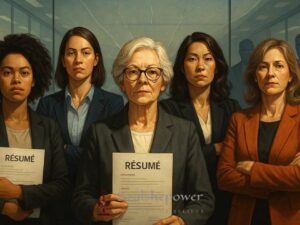
In professional spaces, approval-seeking creates over-functioning. Women take on extra work to prove competence, manage emotions to maintain harmony, and downplay achievements to avoid appearing threatening. They are praised for teamwork and reliability while being overlooked for leadership and authority.
In feminist discourse, approval dilutes the movement itself. It turns systemic critique into personal branding. It prioritises optics over outcomes. It replaces uncomfortable truths with motivational language that changes nothing structurally.
Equality Is Inconvenient — And That’s the Point
Equality is not gentle. It does not ask permission. It does not concern itself with being liked.
Equality means women are allowed to be:
– difficult
– wrong
– angry
– uninterested
– unapologetic
– ambitious beyond what is socially digestible
It also means other women will feel uncomfortable. Because equality disrupts not only male dominance, but also the internal hierarchies women have learned to benefit from — beauty, proximity to male approval, class, caste, race, respectability.
Some women resist equality not because they lack intelligence or courage, but because they have learned how to survive and even thrive within the existing system. Equality threatens to devalue the currency they have been taught to trade in.
The Myth of the “Good Woman”
Approval is deeply tied to the idea of the “good woman.” She is understanding, adaptable, emotionally generous, and socially aware. She knows how to soften her voice, contextualise her anger, and make others comfortable around her success.
The good woman is rewarded until she stops performing goodness.
Equality asks women to step outside this role. To risk being seen as selfish, ungrateful, or unkind. To let go of the moral high ground that comes from self-sacrifice and embrace the moral complexity of self-interest.
This is where many women hesitate. Because approval offers moral superiority. Equality offers none.
When Women Enforce the Rules
One of the most uncomfortable aspects of internalised patriarchy is that it is often enforced by women themselves. Not out of malice, but out of fear — fear of social exile, fear of disruption, fear of losing the approval they have worked hard to secure.
This enforcement looks like:
– shaming women who are too loud, too sexual, too ambitious
– mocking those who refuse marriage or motherhood
– distancing from women who express rage or dissatisfaction
– praising endurance over autonomy
These reactions are not accidental. They are protective mechanisms. If one woman breaks the rules and survives, it exposes the cost of compliance for everyone else.
Approval depends on the rules staying intact.
The Honest Question We Avoid
The real divide is not between feminists and non-feminists. It is between women who are willing to lose approval and women who are not.
Equality requires loss of comfort, certainty, and social validation. Approval offers continuity. It allows women to feel empowered without confronting how deeply power still shapes their choices.
This is not a condemnation. It is an observation.
Some women do not want equality. They want to be praised within the existing order. They want to be seen as exceptional without questioning why exception is required in the first place. They want the rewards of progress without the cost of transformation.
And until that distinction is acknowledged, conversations about equality will remain shallow, cosmetic, and endlessly frustrating.
Because equality does not ask to be liked.
It asks to be taken seriously.