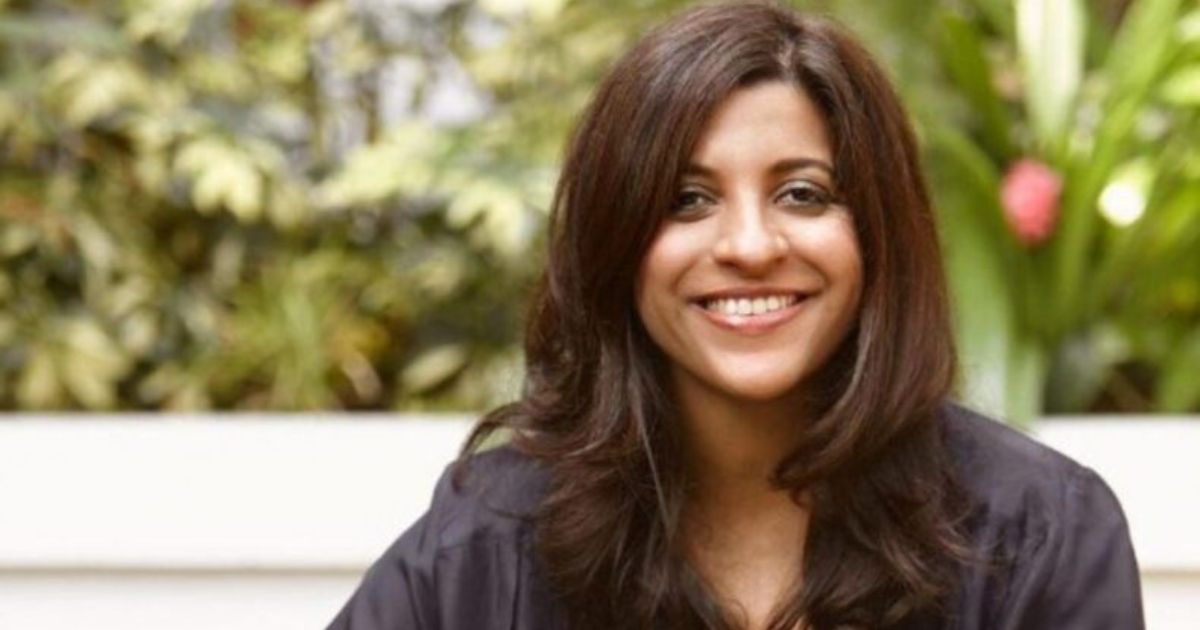

Tawakkol Abdel-Salam Karman Karman was born on 7 February 1979 in Taiz, Yemen’s third-largest city and its intellectual hub. She grew up in a middle-class family; her father was a lawyer who later became Minister of Legal Affairs, her mother a homemaker and community organiser. From early childhood Tawakkol was the child who asked too many questions and refused to accept “because I said so” as an answer.

Dr. Sara Al-Sakka – Hope for Palestinian Girls
Learn about the inspiring journey of Dr. Sara Al-Sakka and her courageous work to uplift Palestinian girls — a story of resilience, compassion and women’s empowerment under adversity.
She earned a bachelor’s degree in commerce from the University of Science and Technology in Sana’a, then a postgraduate diploma in political science from Sana’a University. While most of her classmates were planning safe careers, she was already writing fiery opinion pieces for local newspapers about censorship and women’s rights.
In 2005, at the age of 26, she co-founded Women Journalists Without Chains (WJWC). The organisation started with eight members meeting in a living room. Their goal was straightforward but dangerous: document violations of press freedom and human-rights abuses in a time when almost no one inside Yemen dared to speak openly. Within two years WJWC was sending weekly SMS alerts about detained journalists and publishing reports that were smuggled out to international media.
Starting in May 2007, Tawakkol began organising peaceful Tuesday protests in front of Sana’a University. Every single week for four years she and a small group demanded freedom of expression and the release of political prisoners. Security forces routinely dispersed them with batons and tear gas. Tawakkol was arrested multiple times, once spending days in a women’s prison where she went on hunger strike. Each time she was released, she returned to the same spot the following Tuesday.

Foreign Interventions in Middle East
A critical analysis of recent foreign interventions in the Middle East — how global powers influence geopolitics, regional stability and human lives.
When the Arab Spring reached Yemen in January 2011, those Tuesday gatherings suddenly swelled into hundreds of thousands. Change Square in Sana’a became a tent city, and Tawakkol—now 32 years old and a mother of three—lived there for months. She coordinated medical supplies, gave daily speeches, negotiated with tribal leaders, and tweeted constantly on a phone with a cracked screen. Even after snipers began targeting protesters, she refused to leave the square.
In October 2011 the Nobel Committee announced that Tawakkol Karman, alongside Ellen Johnson Sirleaf and Leymah Gbowee, had won the Nobel Peace Prize “for their non-violent struggle for the safety of women and for women’s rights to full participation in peace-building work.” At 32 she became the youngest Nobel Peace laureate ever, the first Arab woman, and only the second Muslim woman to receive the prize.
She flew to Oslo still wearing the same simple clothes she had worn in the protest camp, accepted the medal, and immediately announced she was donating the entire $500,000 prize money to a fund for injured protesters back home.
The revolution she helped spark forced President Ali Abdullah Saleh to step down in 2012, but Yemen soon slid into a devastating civil war. Tawakkol was forced into exile in 2015, settling in Istanbul. From there she has continued running WJWC, documenting war crimes by all sides, lobbying the United Nations, and speaking at every international forum that will have her.
In 2025, at the age of 46, she remains one of the most recognisable Yemeni voices in the world. She still organises, still writes, still refuses to lower her voice even when powerful governments would prefer she did.
As she said in her Nobel lecture:
“In the name of God the Merciful, I accept this prize on behalf of every Yemeni who went out peacefully demanding change… and on behalf of every woman who is still waiting for her voice to be heard.”
That wait continues, but because of Tawakkol Karman, millions of women—and men—now know exactly what a free voice sounds like.
Grassroots to Global — Profiles of Women Activists Changing the World (Part I)
Inspiring stories of women activists from around the world — from local grassroots struggles to global movements, showcasing courage, resilience and impact.