
In 2016, when FIFA was bleeding credibility after the biggest corruption scandal in sports history, one woman walked into Zurich carrying nothing but a UN passport and a reputation for staring down warlords.
Fatma Samoura, a 53-year-old grandmother from Dakar who once negotiated with child-soldier commanders in Sierra Leone and ran Ebola field hospitals in Guinea, became FIFA’s first female, first African, and first non-European Secretary General.
For the next seven and a half years she did what no man in 118 years of FIFA history had dared:
- Tripled prize money for the Women’s World Cup from $30 million (2019) to $110 million (2023) and then to $152 million (2027 cycle already locked in)
- Forced every confederation to reserve at least 30 % of executive seats for women
- Created the FIFA Clearing House that finally tracks every dollar in player transfers, ending the Wild West of agent fees
- Made human-rights due diligence mandatory for every World Cup bid (the reason Saudi Arabia 2034 had to promise stadium workers $15/hour and independent audits)
- Pumped $2.8 billion directly into grassroots football in 211 countries – more than FIFA spent in the previous six decades combined
- Suspended or banned 47 corrupt officials and recovered over $300 million in stolen funds
She did it all while smiling politely in eight languages and wearing the brightest boubous Zurich had ever seen.
Table of Contents
From Dakar Fish Market to the Top of World Football
Born in 1962 in a modest Dakar neighborhood, Fatma sold fish with her mother at 4 a.m. before school. She learned early that dignity is not given – it is earned, one sunrise at a time.
Twenty-one years at the United Nations took her to some of the planet’s toughest postings: Chad, Djibouti, Cameroon, Madagascar, Nigeria during Boko Haram. She ran refugee camps for hundreds of thousands and once convinced a militia leader to release 47 children by promising his village a FIFA referee course.
When Gianni Infantino needed someone “completely uncontaminated by football politics” after the 2015 arrests, he chose the crisis manager who had never watched a full match in her life.
Her first week on the job, a veteran European delegate told her, “This is a man’s world, Madame.”
She answered in perfect Italian: “I have negotiated with men who cut heads off for fun. Paperwork doesn’t scare me.”
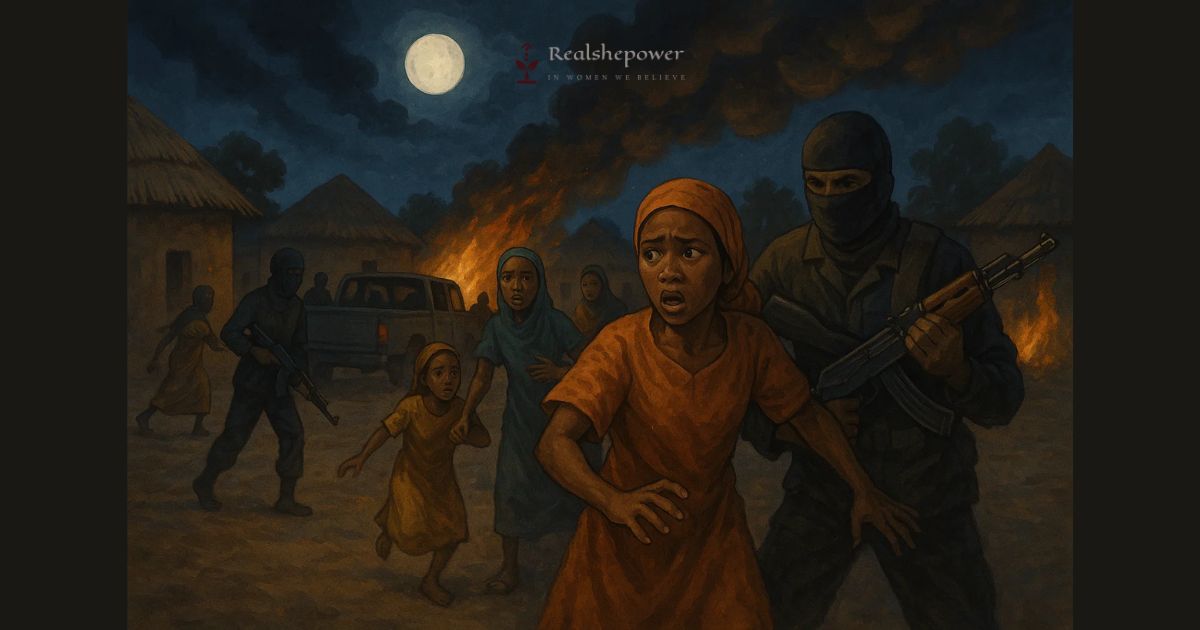
Abduction of Maga’s Daughters
A hard-hitting expose on the kidnapping of Maga’s daughters — uncovering truths, injustice and women’s vulnerability in conflict zones.
The Reforms That Changed the Game Forever
Under her watch:
- Women’s football revenue exploded from $150 million in 2016 to over $1.7 billion by 2023
- The 2023 Women’s World Cup in Australia/New Zealand became the first to offer equal training and travel conditions for men and women
- The men’s World Cup expanded to 48 teams, generating billions that now fund girls’ academies in countries that had never had a single registered female player
- FIFA Forward programme tripled development spending, building pitches in places like Vanuatu, Lesotho, and rural Senegal
- She personally flew to Tehran in 2019 and delivered a 48-hour ultimatum: let women into stadiums or lose World Cup qualifiers. Iran caved.
When Russia invaded Ukraine, she suspended Russian teams in 72 hours – faster than most governments managed.
The Exit on Her Own Terms
In June 2023, after seven transformative years, Fatma announced she would step down at the end of December 2023 to return to Senegal and be closer to her aging mother and grandchildren.
At her farewell press conference in Zurich (yes, she wore the same turquoise boubou from her first day in Mexico City), she said simply:
“I did not come here to be historic.
I came to make sure the next woman who walks through this door is bored by how normal it feels.”
Then she left the stage to a standing ovation that lasted four full minutes.
Her Life After FIFA – November 2025
Today, at 63, Fatma splits her time between Dakar and Geneva. She advises the African Union on sports diplomacy, mentors young African women leaders, and serves on the board of the Confederation of African Football. She still answers WhatsApp messages from village girls who now play football because of the pitches her reforms funded.
Football is richer, cleaner, and far more global because one fish-seller’s daughter refused to accept that the beautiful game had to be ugly behind the scenes.
The house is no longer dirty.
And Fatma Samoura walked out with her head high, her conscience clear, and the door wide open for every woman coming after her.
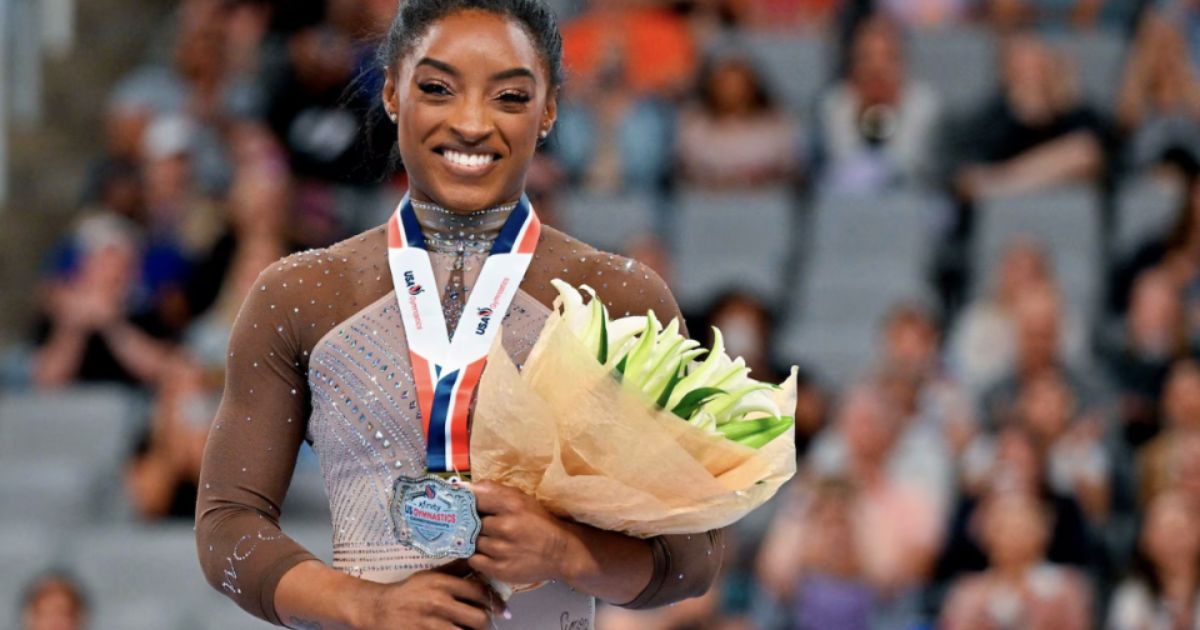
Remarkable Women in Sports
Celebrating extraordinary women athletes from across the globe — trailblazers who overcame barriers, inspired millions, and reshaped sports culture.